
Few cities test the limits of structural endurance like Ottawa. Between deep winter freezes, rapid spring thaws, and year-round moisture cycles, the capital’s climate functions as a full-scale laboratory for the science of stability. This paper examines how extreme temperature variance, material fatigue, and hydrological stress inform the way engineers design, adapt, and future-proof infrastructure across Canada’s most climate-challenged region.
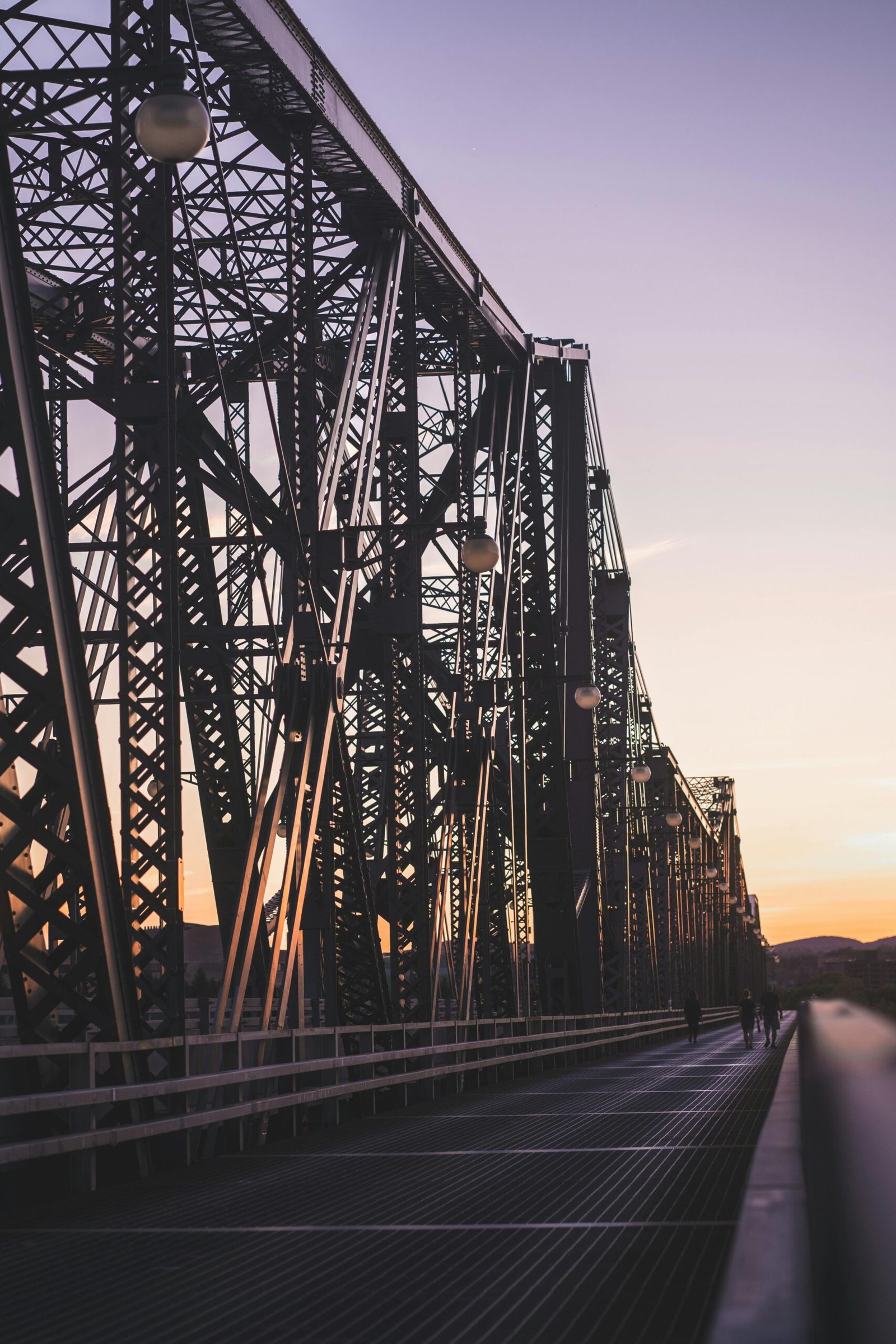
In Ottawa, stability is not a static condition – it is an ongoing negotiation with nature. Concrete expands and contracts through seventy-degree seasonal swings. Steel bridges oscillate under freeze-thaw loading. Clay soils absorb water, then heave as they refreeze.
Traditional engineering models once assumed linear, predictable performance over time. Today, those assumptions have been replaced by probabilistic design frameworks that account for constant environmental stress. In this setting, stability is achieved not by resisting change, but by anticipating it.
Ottawa’s climate exposes materials to one of the most punishing mechanical stress profiles in North America. The science of stability, therefore, begins at the molecular level – understanding how thermal gradients, moisture migration, and repeated load cycling degrade performance.
Modern infrastructure integrates a suite of innovations designed for endurance:
- Air-entrained concrete mixes that resist freeze-thaw cracking.
- High-performance steel alloys that retain ductility in sub-zero conditions.
- Epoxy-coated reinforcement that protects against salt-induced corrosion.
- Smart sensors that monitor internal humidity and strain evolution in real time.
These advances allow engineers to design with data-driven confidence rather than climatic guesswork. Stability is no longer a matter of material strength alone – it is a function of observation, adaptation, and control.
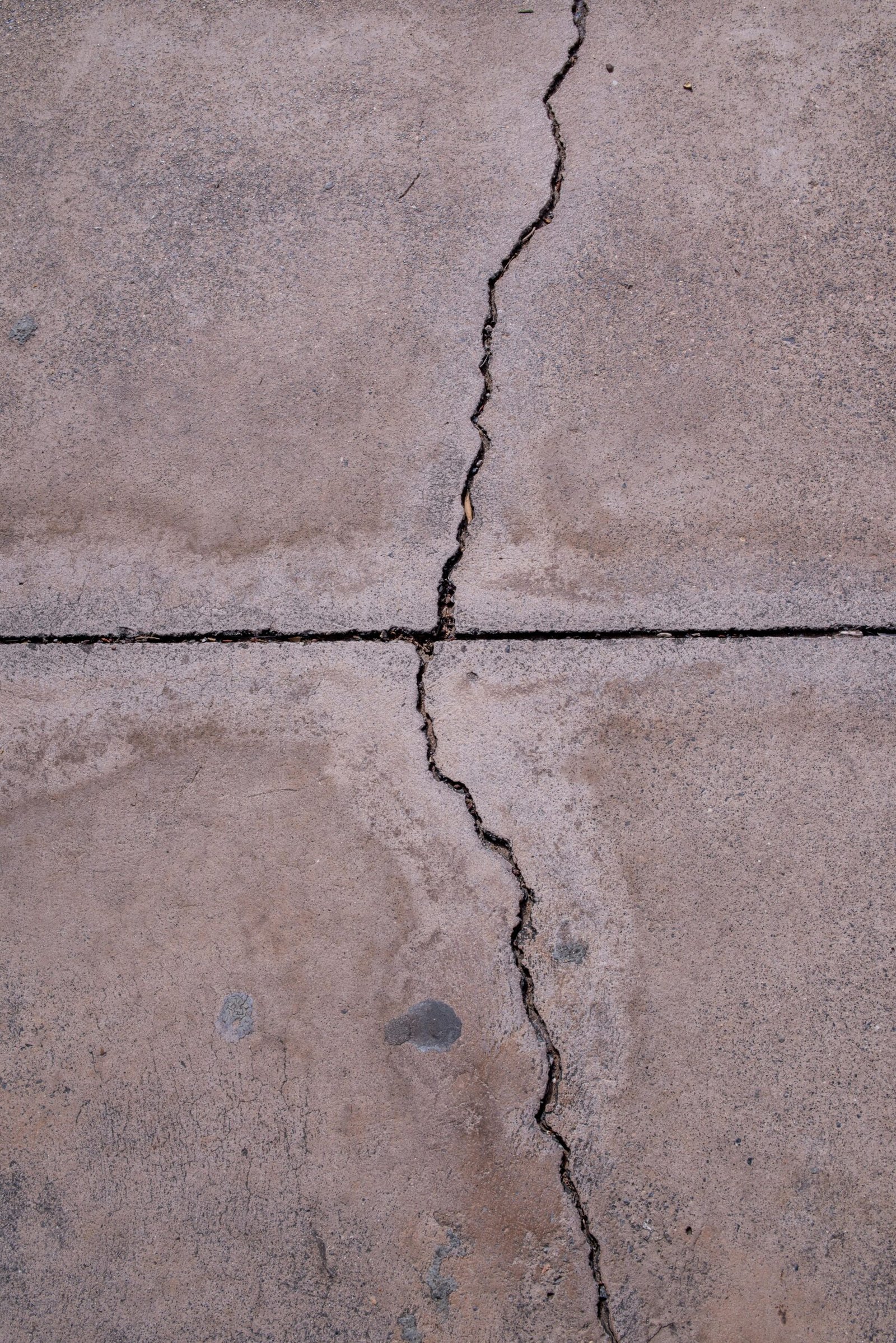
The most instructive lesson Ottawa offers is that time is itself a load case. Every bridge, foundation, and retaining wall in the city bears not only live and dead loads, but decades of environmental fatigue. Cumulative minor deflections, micro-cracking, and chemical intrusion compound over time – invisible until failure accelerates.
Predictive maintenance modeling and structural-health monitoring (SHM) technologies now allow engineers to visualize this invisible timeline. When data replaces intuition, deterioration becomes a measurable curve rather than a surprise event.
Designing for stability, therefore, is designing for time.
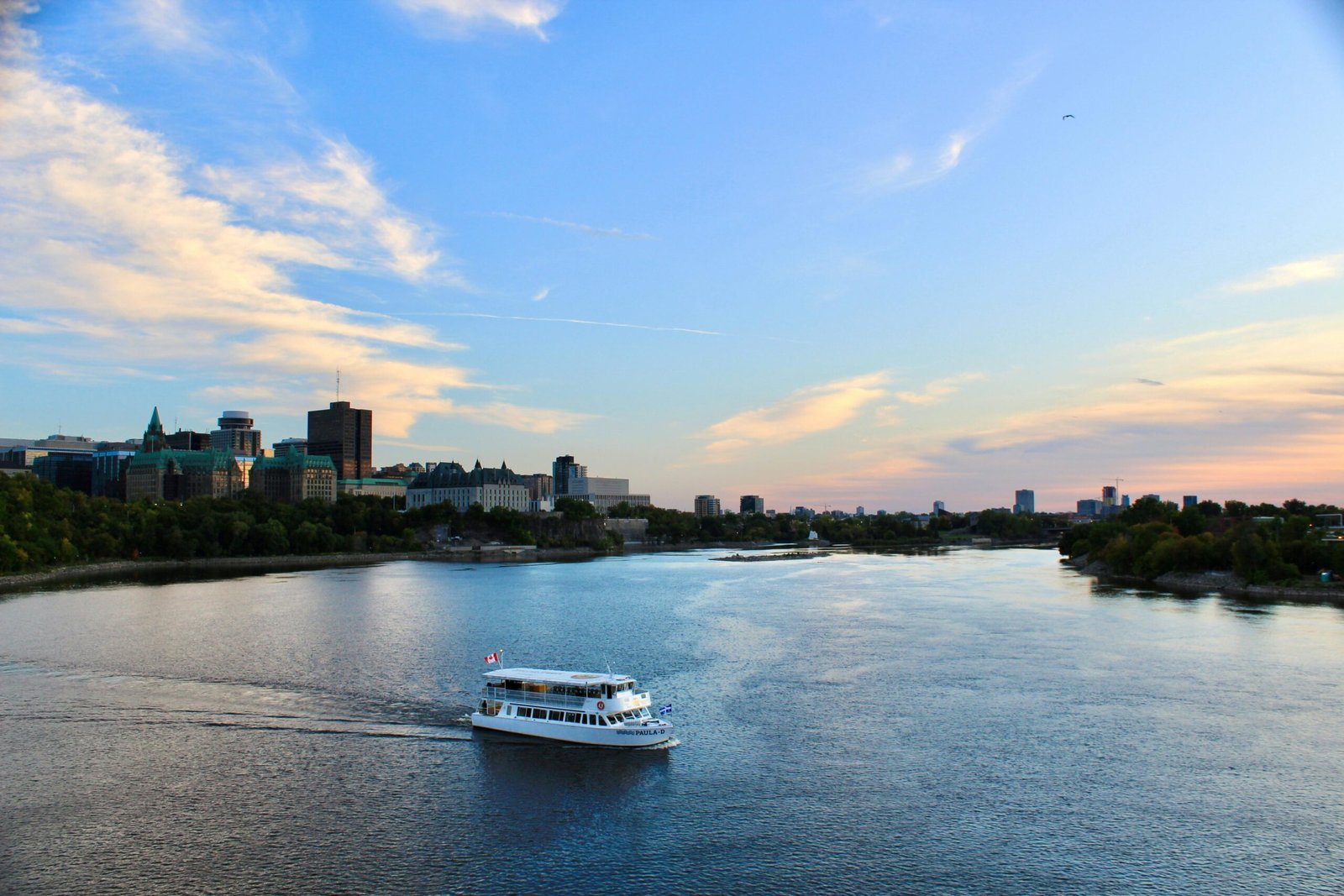
Few forces shape Ottawa’s infrastructure more than water. Seasonal flooding along the Rideau and Ottawa rivers challenges stormwater systems, bridge foundations, and retaining structures annually. The engineering response has evolved from drainage-based thinking to hydrological integration – designing systems that absorb, redirect, and even store excess water dynamically.
This shift reflects a deeper insight: in climates of volatility, water is not a nuisance to be removed but a variable to be managed. Stability begins where flow is understood.
Investing in resilience is not simply an ethical choice – it is an economic strategy. Studies across Canadian municipalities show that each dollar spent on climate-adapted design returns between four and six in avoided maintenance and downtime.
At Ostan Engineering, internal performance audits reveal that projects incorporating adaptive materials, advanced insulation, and real-time monitoring exhibit 20–25% longer service life and 30% fewer unplanned repairs over a 15-year horizon. Durability, like data, compounds interest over time.
In Ottawa’s climate, the cheapest design is rarely the most affordable.
Climate challenges do not absolve engineers from responsibility – they heighten it. Every premature failure is a cost borne by taxpayers, communities, and ecosystems. Ethical engineering in harsh climates demands conservative safety margins, transparent assumptions, and designs that respect both physics and the public trust.
In this context, stability becomes more than a technical pursuit; it is an ethical promise – that what we build will endure long after the season that shaped it.
Ottawa’s climate is an unforgiving teacher. It punishes complacency, exposes shortcuts, and rewards foresight. Yet for engineers, it also provides an unmatched opportunity to innovate – to turn adversity into insight and volatility into design intelligence.
The science of stability is not about eliminating failure. It is about learning how materials, systems, and cities adapt under pressure – and ensuring that when the next freeze-thaw cycle arrives, our structures do not just withstand it, but learn from it.
References
[1] Ostan Engineering, Beyond Compliance: Why Engineering Ethics Build Stronger Cities, Ottawa, ON, 2025.
[2] K. Denham, “Thermal Cycling and Structural Fatigue in Northern Climates,” Journal of Cold-Region Engineering Science, vol. 27, no. 4, pp. 88–102, 2023.
[3] City of Ottawa, Climate Adaptation Risk Assessment, Ottawa, ON, 2024.