

An HVAC user recently reported a malfunctioning system: the internal fan had stopped working. A technician was dispatched and immediately confirmed the failure. When he physically struck the housing, the fan restarted – only to shut down again minutes later. The cycle repeated. On the surface, it seemed like a motor fault. But the technician kept investigating.
Eventually, he discovered the real cause: the sump pump line was clogged. Pressure and moisture buildup were interfering with the electrical system, producing a symptom far removed from the actual failure point.
The malfunction was not mechanical failure – it was misdirected stress.
This is the power of line of inquiry. Choosing the right investigative path is often the difference between repair and repeat failure. Asking the right question – rather than the obvious one – solves problems permanently instead of temporarily.
In engineering, this principle is not optional. It defines whether a structure survives, fails quietly, or collapses catastrophically.
When people evaluate a building’s safety, they usually assess what they can see: walls, roofs, foundations. However, seismic engineering is not concerned with what is visible – it measures how force flows through structure under stress.
Ottawa, for example, sits within a known seismic region, yet the majority of buildings were constructed before modern code requirements accounted for horizontal forces in any meaningful way. As outlined in previous work, seismic reviews exist precisely because surface-level inspections miss internal vulnerabilities
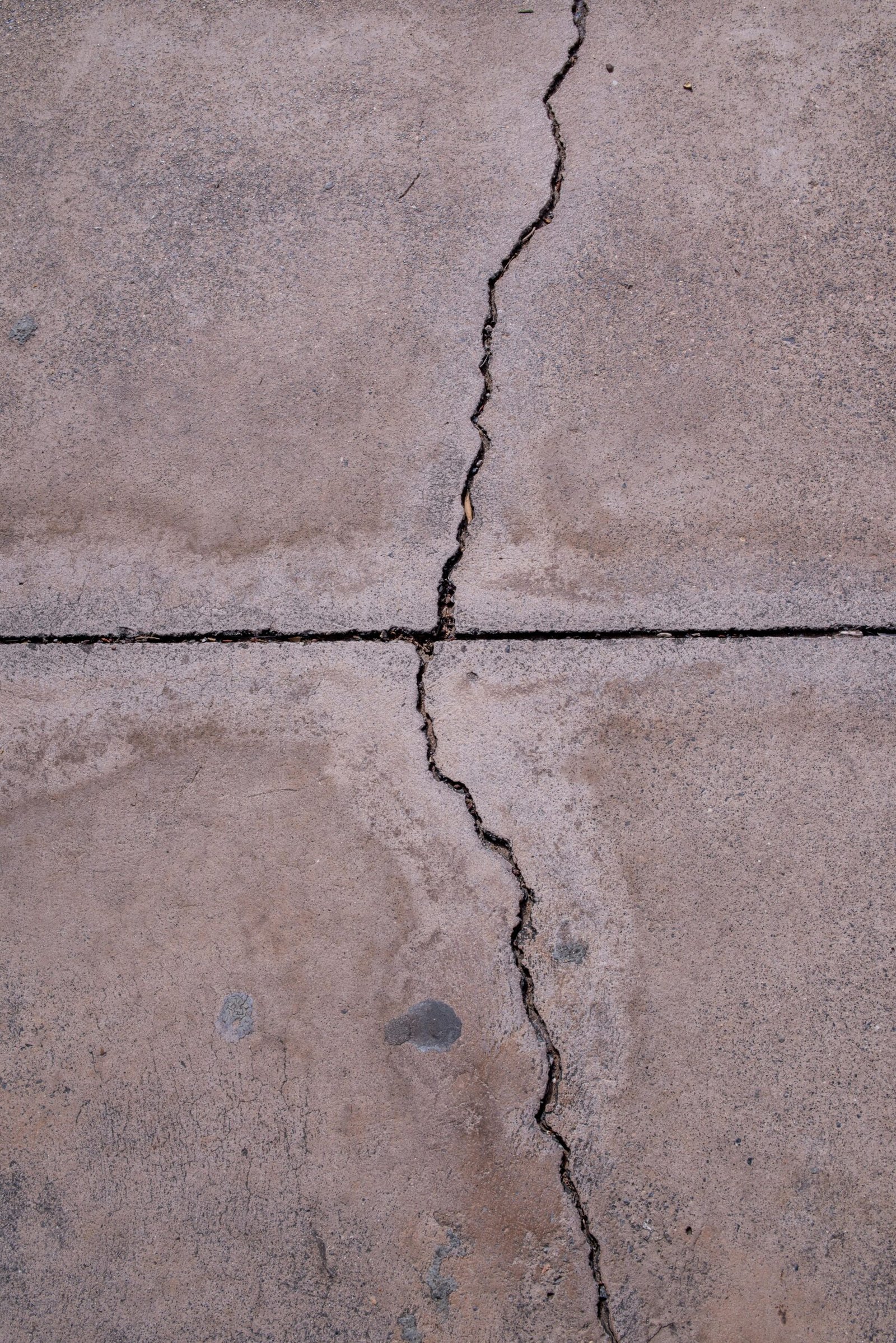
Just as the HVAC fan was not the true failure point, visible cracks are not always the problem – they are indicators. The real question is where the structure is unable to redirect force.
That is the engineering line of inquiry.
Buildings, like machines, fail at their weakest unknown link.
The HVAC fan was never the problem.
The sump line was.
Just as earthquakes do not destroy buildings—bad load paths do.
The right line of inquiry transforms uncertainty into control.
And in engineering, control is survival.